A great concrete transformation is decided long before the first coat is installed. This concrete coating consultation guide is designed to help homeowners and commercial property decision-makers arrive prepared, ask better questions, and choose a finish that feels tailored to the space rather than simply applied to it.
Whether you are reimagining a garage, patio, pool deck, retail floor, restaurant entrance, or luxury interior, the consultation is where design vision meets the realities of the existing slab. It is the point where color, texture, traffic, moisture, maintenance expectations, and installation logistics become one clear plan.
Why the Consultation Matters as Much as the Coating
Decorative concrete is not a one-size-fits-all product category. A metallic epoxy floor that creates depth and movement inside a modern residence has different performance requirements than a textured pool deck overlay designed for bare feet, direct sun, and frequent water exposure. A faux wood overlay may bring warmth to a covered patio, while a flake coating can create a polished, highly functional garage floor.
The consultation prevents a beautiful idea from becoming the wrong application. It allows a qualified contractor to evaluate the concrete beneath the surface, understand how the area is used, and recommend a system built for the conditions at hand. Premium results come from this combination of thoughtful design and disciplined preparation.
For upscale properties, the details also affect perceived value. The right finish should complement architectural lines, cabinetry, exterior materials, lighting, furnishings, and the atmosphere you want guests or customers to experience. Concrete can be practical, but it can also become a defining design feature.
What to Prepare Before Your Concrete Coating Consultation
You do not need a fully formed design plan before meeting with a decorative concrete professional. A few clear preferences and practical details, however, make the conversation far more productive.
Start by considering how the surface needs to perform. Is the space exposed to vehicle traffic, pets, chlorine, saltwater, cooking grease, heavy foot traffic, or afternoon sun? Is slip resistance a priority? Will the floor need to coordinate with a surrounding renovation, or is the concrete transformation the centerpiece of the project?
Photos are especially useful. Bring images of spaces, colors, wood tones, stone, tile, or finishes that capture the feeling you want. A reference image does not have to be an exact blueprint. It gives the design team a valuable starting point for identifying whether you are drawn to a high-gloss metallic movement, an organic matte texture, a warm wood-inspired pattern, or a refined flake blend.
It also helps to know your schedule. If the project is tied to a grand opening, move-in date, holiday gathering, pool season, or another construction trade, share that early. Coatings and overlays require appropriate preparation, cure times, and site conditions. Rushing the process can compromise the very craftsmanship that makes a premium finish worth the investment.
A Concrete Coating Consultation Guide to Surface Evaluation
The most important part of a consultation may be the least glamorous: assessing the existing concrete. Even a slab that appears sound can have hidden variables that affect product selection, preparation methods, cost, and timeline.
A professional evaluation should consider the age and condition of the slab, visible cracks, previous coatings or sealers, moisture concerns, drainage, uneven areas, contamination from oil or chemicals, and the level of surface wear. Exterior spaces also require a close look at sun exposure, water flow, and the relationship between the concrete and nearby structures.
Cracks do not automatically rule out a decorative finish, but they do need an honest discussion. Some can be repaired and blended into the design; others may remain susceptible to future movement. The right contractor will explain what can be improved, what should be expected over time, and where a different system may be the wiser choice.
Moisture deserves the same attention. Concrete is porous, and vapor moving through a slab can affect adhesion in certain applications. A consultation should identify whether moisture testing or additional preparation is needed before a coating system is specified. This is not an extra step for its own sake. It is how a luxury finish gains the foundation it needs to perform beautifully.
Choosing the Right Finish for the Space
The best finish is rarely the flashiest sample. It is the one that supports the way the space lives, works, and looks every day.
For interiors, metallic epoxy flooring offers dramatic visual depth, custom color movement, and a sleek, gallery-quality statement. It can be an exceptional fit for entryways, living spaces, showrooms, salons, hospitality environments, and high-design commercial interiors. Its appearance is highly customized, so a consultation is essential for setting expectations around pattern variation and sheen.
For garages, flake floor coatings balance refined appearance with daily practicality. They conceal minor debris better than solid-color systems, create visual texture, and can be tailored with decorative chip blends that complement the home. The right topcoat selection matters here, particularly when tire traffic, tools, and frequent cleaning are part of the equation.
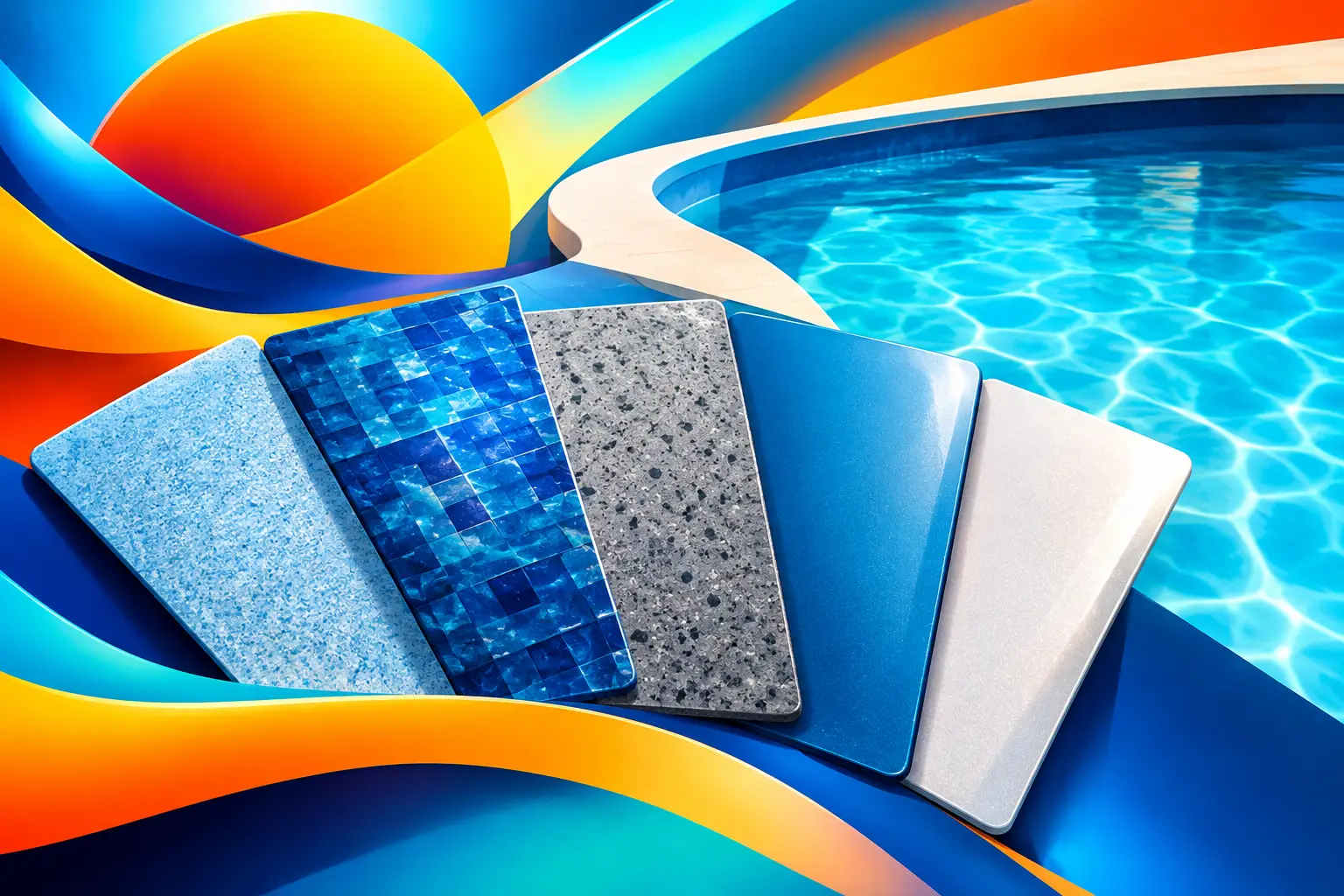
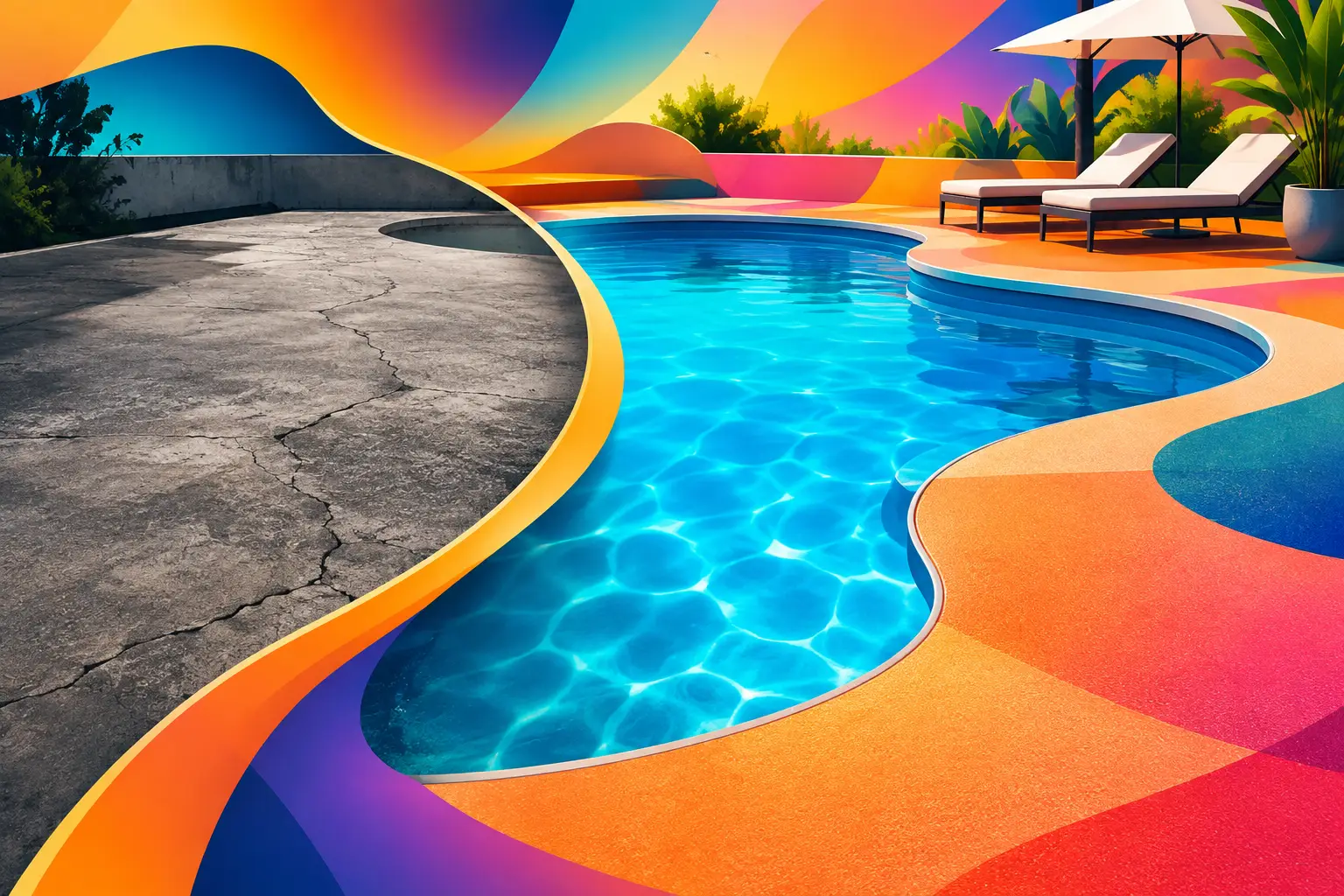
For patios and pool decks, overlays offer an opportunity to replace plain, weathered concrete with a more elegant surface underfoot. Texture, heat exposure, drainage, and slip resistance should guide the design. A finish that looks beautiful in a sample board may not be ideal for a bright, uncovered deck in Florida or Alabama if it becomes too slick, too reflective, or too demanding to maintain.
Faux wood overlays bring the character of wood to areas where traditional lumber may not be practical. They can be especially compelling around outdoor living areas, covered porches, commercial gathering spaces, and homes seeking a warm, custom look with concrete’s durability. Because hand-applied color and grain details influence the final effect, this is a service where skilled craftsmanship is visible in every square foot.
Questions Worth Asking Your Contractor
A consultation should feel collaborative, not rushed. You are selecting a crafted surface for a significant part of your property, so clarity matters. Ask how the existing slab will be prepared, what system is recommended and why, and whether the proposed finish is appropriate for your specific conditions.
Discuss the expected appearance in plain language. Will the finish be uniform or intentionally varied? Is it glossy, satin, or textured? How might natural light change its color throughout the day? What level of slip resistance is available, and what trade-off may exist between texture and ease of cleaning?
You should also understand the project sequence. Ask about furniture removal, access restrictions, odors, ventilation, cure times, and when the space can return to service. For commercial settings, determine whether work can be phased to minimize disruption to customers, staff, or operations.
Finally, ask for realistic maintenance guidance. Premium decorative concrete is valued in part because it is easier to maintain than many traditional surfaces, but no finish is maintenance-free. The recommended cleaning method, protective measures, and recoat expectations should align with how you plan to use the space.
Setting a Budget Around Lasting Value
The lowest initial estimate is not always the lowest-cost choice over the life of the floor. Decorative concrete pricing reflects more than materials. It accounts for design complexity, slab repairs, grinding or preparation, moisture mitigation where needed, detail work, protective topcoats, access conditions, and the experience required to execute the finish correctly.
A simple, clean coating system may be the right investment for a functional utility area. A bespoke metallic floor or hand-crafted faux wood overlay may justify a larger budget because it delivers a more distinctive visual result. Neither choice is inherently better. The right decision depends on the role the space plays in the property and the level of design impact you want it to create.
During the consultation, be candid about budget priorities. A skilled contractor can help identify where investing more will be most visible or most valuable, whether that is substrate preparation, a higher-performance topcoat, custom color development, or a more detailed finish.
Turning a Vision Into a Finished Surface
The strongest consultations end with a clear scope, not vague inspiration. You should understand the recommended system, design direction, preparation requirements, approximate schedule, care expectations, and any conditions that could affect the project once work begins.
At Superior Concrete Solutions, that clarity is part of the craftsmanship. The goal is not simply to cover concrete. It is to create a surface with elegance, durability, and a level of finish that belongs in the property it serves.
Bring your inspiration, your practical concerns, and an honest picture of how the space will be used. The right consultation turns those details into a surface that feels intentional from the first step across it.