A restaurant patio has to look exceptional long after the first grand opening photos. It also has to withstand chair legs scraping across the floor, spilled drinks, direct sun, sudden rain, frequent cleaning, and a steady flow of guests. The best surfaces for restaurant patios balance that daily reality with the atmosphere the business wants to create – whether it is polished and modern, relaxed and coastal, or richly layered and resort-inspired.
For restaurant owners and commercial property decision-makers, surface selection is not simply a material choice. It is a brand decision, a maintenance decision, and often a revenue decision. A beautiful patio can invite guests to linger, support higher perceived value, and turn an ordinary outdoor dining area into one of the most photographed spaces on the property.
Start With How the Patio Will Be Used
Before comparing finishes, consider the operating conditions. A small wine bar patio has different needs than a high-volume waterfront restaurant, a hotel poolside dining terrace, or a fast-casual concept with a busy pickup lane nearby. Foot traffic, furniture movement, food service, exposure to weather, and cleaning practices all affect which surface will perform best.
Safety should lead the conversation. Outdoor restaurant surfaces need dependable traction when wet, especially around bars, pool areas, entrances, and service paths. The surface must also drain correctly. Even a premium finish will underperform if water pools near tables, doorways, or walkways.
Comfort matters as well. Dark materials can become uncomfortably hot in Alabama and Florida sun. Highly textured finishes may create a rustic look, but excessive texture can make tables wobble, trap debris, and complicate cleaning. The strongest designs find the refined middle ground: enough texture for slip resistance, enough smoothness for easy service and a comfortable guest experience.
Best Surfaces for Restaurant Patios
Decorative concrete overlays
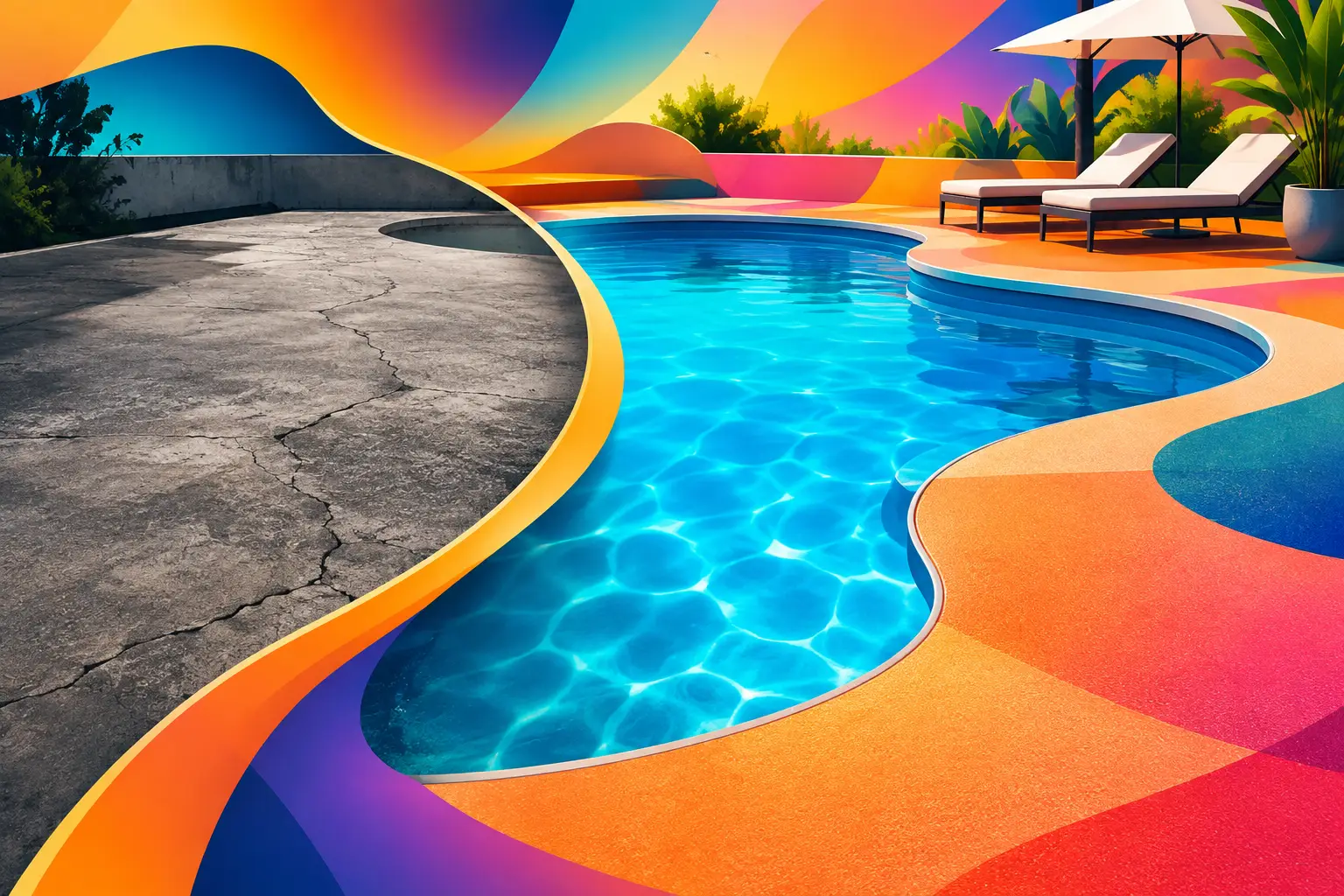
For existing concrete patios, a decorative concrete overlay is often the most versatile luxury upgrade. Rather than removing a sound slab and beginning again, an overlay can transform a plain, stained, or dated surface into a custom-designed finish with elevated color, texture, and visual depth.
This option works especially well for restaurants that want a cohesive, branded outdoor environment. Finishes can be designed to resemble natural stone, refined tile, hand-troweled plaster, or other high-end looks while maintaining the performance benefits of a continuous concrete surface. With the appropriate texture and protective sealer, decorative overlays can deliver the traction, cleanability, and visual sophistication hospitality spaces require.
The condition of the slab is the deciding factor. Structural movement, major cracks, moisture issues, or poor drainage must be addressed before an overlay is installed. A quality decorative concrete contractor will evaluate surface preparation, repairs, slope, and finish selection rather than treating an overlay as a cosmetic shortcut. The craftsmanship beneath the finish is what protects the investment above it.
Stamped concrete
Stamped concrete remains a popular choice for restaurant patios because it can create the visual character of stone, slate, brick, or wood at a more controlled cost than many individual-unit materials. It provides a continuous, durable surface that suits larger patios, courtyards, and outdoor event areas.
The trade-off is realism and maintenance over time. Older stamped finishes can look repetitive or overly uniform, particularly when color release and pattern selection are not handled with restraint. Deep stamp patterns may also collect debris and make routine cleaning more difficult. For a more polished hospitality setting, choose a refined pattern, intentional color variation, and a sealer system appropriate for the amount of sun and traffic the patio receives.
Porcelain pavers
Porcelain pavers bring a crisp, architectural appearance to upscale restaurant patios. They are available in convincing stone, concrete, and wood-inspired visuals, resist staining well, and can offer excellent fade resistance in sun-drenched environments. Their clean lines pair naturally with contemporary furniture, landscaped courtyards, and sophisticated hotel or retail developments.
They are not a universal answer. Installation requires a stable, properly prepared base and precise attention to jointing, edge restraint, and drainage. Individual units can also crack or shift if the sub-base is poorly built. For restaurants with a distinctly modern identity and the budget for meticulous installation, porcelain pavers can create a striking finished environment.
Natural stone
Natural stone carries an authenticity that is difficult to duplicate. Travertine, limestone, bluestone, and certain textured granites can make a patio feel timeless, tailored, and unmistakably premium. Each piece has its own variation, giving the space a custom quality that fits independent restaurants, boutique hotels, wineries, and destination dining concepts.
However, not all stone belongs in every climate or operating environment. Some varieties are porous and need regular sealing. Others can be slick when wet, sensitive to acidic spills, or prone to heat retention. Stone also requires careful material selection so thickness, surface texture, and color work with the site conditions. A pale, textured stone may be ideal for a poolside terrace, while a dense, dark stone may be better reserved for a covered courtyard.
Brick pavers
Brick pavers create warmth and familiarity. They are a strong fit for traditional restaurants, historic districts, brewery patios, and spaces designed around an inviting neighborhood feel. Their modular format can also make localized repairs more manageable than repairs to a continuous slab.
The downside is maintenance at the joints. Sand can wash out, weeds can emerge, and uneven settling can create trip points or unstable table placement. Brick can still be an excellent choice, but it needs a professionally engineered base, dependable edge restraint, and a long-term maintenance plan. It is best chosen for character, not because it appears simple to install.
Resin-bound aggregate and loose materials
Aggregate surfaces can offer texture and a casual garden aesthetic, but they require careful judgment in restaurant settings. Resin-bound aggregate is more controlled than loose gravel and can create a permeable, finished appearance for pathways and lower-traffic outdoor zones. Loose gravel, decomposed granite, and similar materials are usually less suitable beneath dining tables and service routes.
Guests in heels, servers carrying trays, mobility devices, and rolling furniture all expose the limits of loose materials. These finishes can also migrate, collect debris, and feel less polished than a restaurant setting demands. They may work beautifully as accents around planting beds or fire features, but they are rarely the best primary dining surface.
Design Details That Make a Patio Feel Intentional
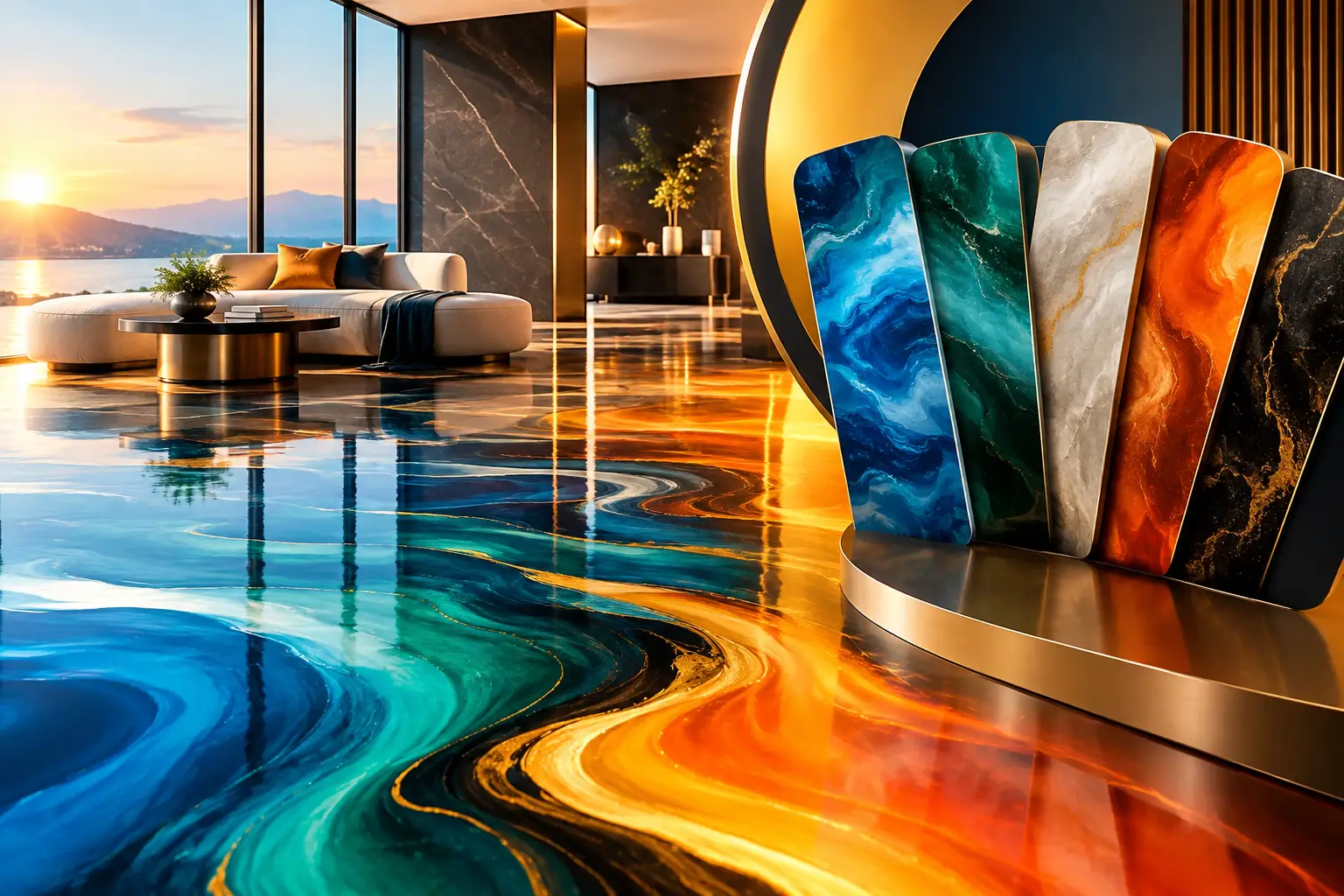
The patio floor should support the restaurant’s visual story rather than compete with it. A sleek seafood concept may benefit from a soft coastal palette and subtle movement in a decorative overlay. A steakhouse may call for warm stone tones and a more grounded texture. A rooftop lounge may need a modern porcelain or refined concrete look that complements lighting, planters, and architectural details.
Color deserves special attention. Very light finishes can show spills and scuffs, while extremely dark finishes can show dust, water spots, and heat buildup. Mid-tone palettes often provide the most forgiving balance, especially when they incorporate natural variation rather than one flat color. The right surface should still look composed between cleanings, not only immediately afterward.
Transitions are equally important. Consider how the patio connects to the interior dining room, bar, pool deck, restrooms, and parking or pedestrian access. A premium patio should feel connected to the full guest journey. Clean edge details, coordinated thresholds, and thoughtfully placed expansion joints make a measurable difference in the finished appearance.
Do Not Choose on Appearance Alone
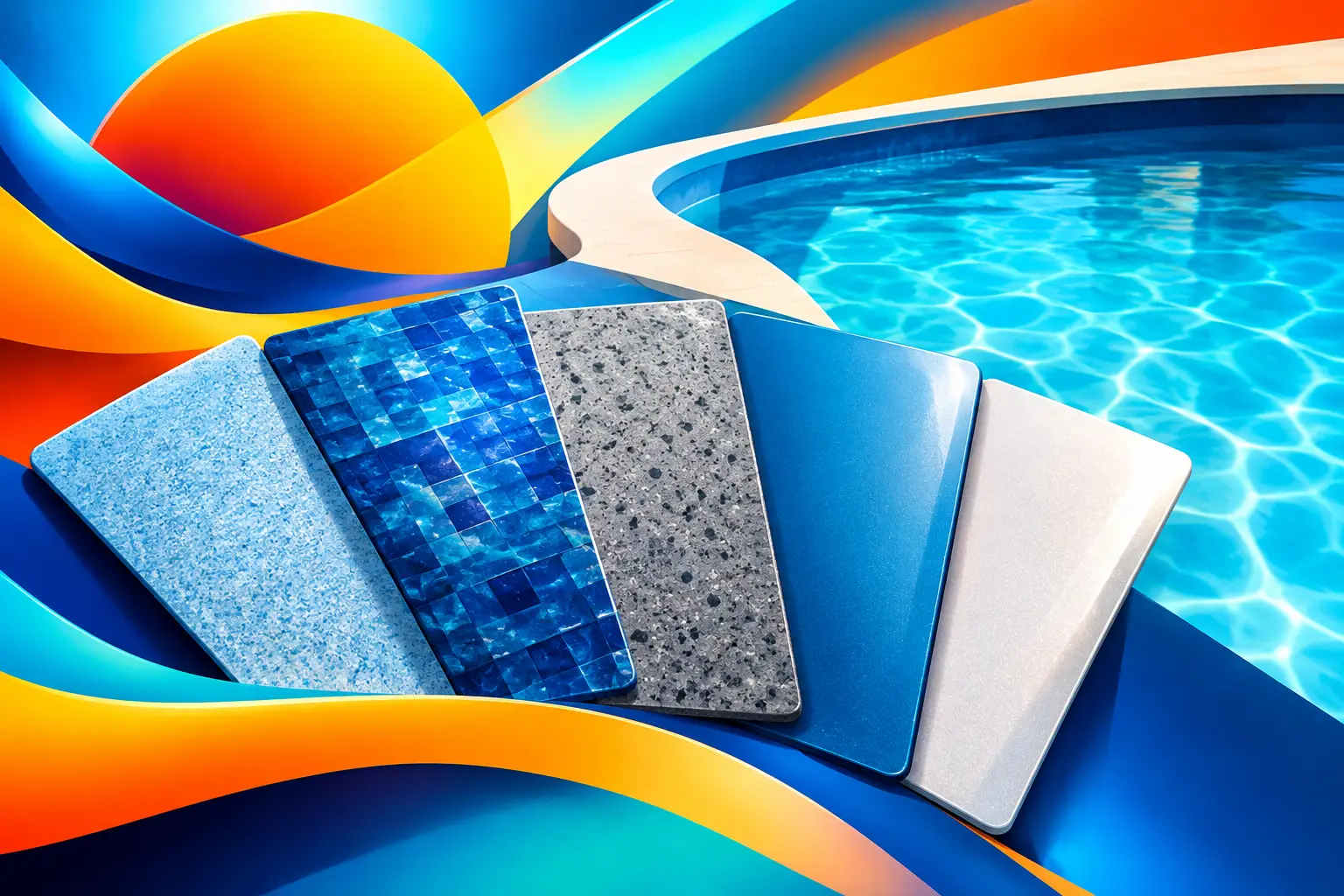
The most successful restaurant patio surfaces are specified as systems, not selected from a sample board. Base preparation, drainage, texture, finish chemistry, sealing, and maintenance all influence the final result. A beautiful stone look can become a service problem if it is too slick. A budget-friendly paver installation can become expensive if settlement begins after one season. A decorative overlay can provide remarkable value, but only when the existing slab is properly evaluated and prepared.
Ask your installer how the surface will handle wet weather, routine degreasing, UV exposure, furniture movement, and seasonal maintenance. Request a conversation about texture under real operating conditions, not just appearance in a showroom. For high-visibility hospitality spaces, mockups and custom color development can be worthwhile because they allow the final finish to be judged in the actual light of the property.
A restaurant patio should feel like an extension of the hospitality inside: welcoming underfoot, resilient through service, and memorable enough that guests choose the outdoor table first. With a custom surface designed around the way the space truly operates, the patio can become one of the property’s most elegant reasons to return.