A garage can hold far more than vehicles. It may be the first space guests see when they arrive, a home gym, a workshop, or a climate-controlled showroom for a prized collection. When the concrete is stained, dusty, or cracked, the entire space feels unfinished. The choice between garage epoxy or floor tiles determines more than appearance – it affects how the room performs, cleans, and holds its value over time.
For a design-led result, the better option depends on the condition of your slab, how you use the garage, and whether you want the floor to read as a continuous architectural surface or a modular covering. Both can be attractive. They simply create very different experiences.
Garage Epoxy or Floor Tiles: Start With the Surface You Have
Epoxy is a resinous coating system installed directly over prepared concrete. A professional installer mechanically prepares the slab, addresses cracks and surface issues, applies the coating system, and seals the finished floor for its intended use. The result is a monolithic surface with no individual pieces or visible seams.
Floor tiles are installed as separate units over the concrete. In garages, this can mean interlocking polymer or PVC tiles, porcelain tile, or specialty garage tile systems. They can be placed over a slab with less extensive surface preparation than epoxy in some cases, although a level, structurally sound floor is still essential for a refined installation.
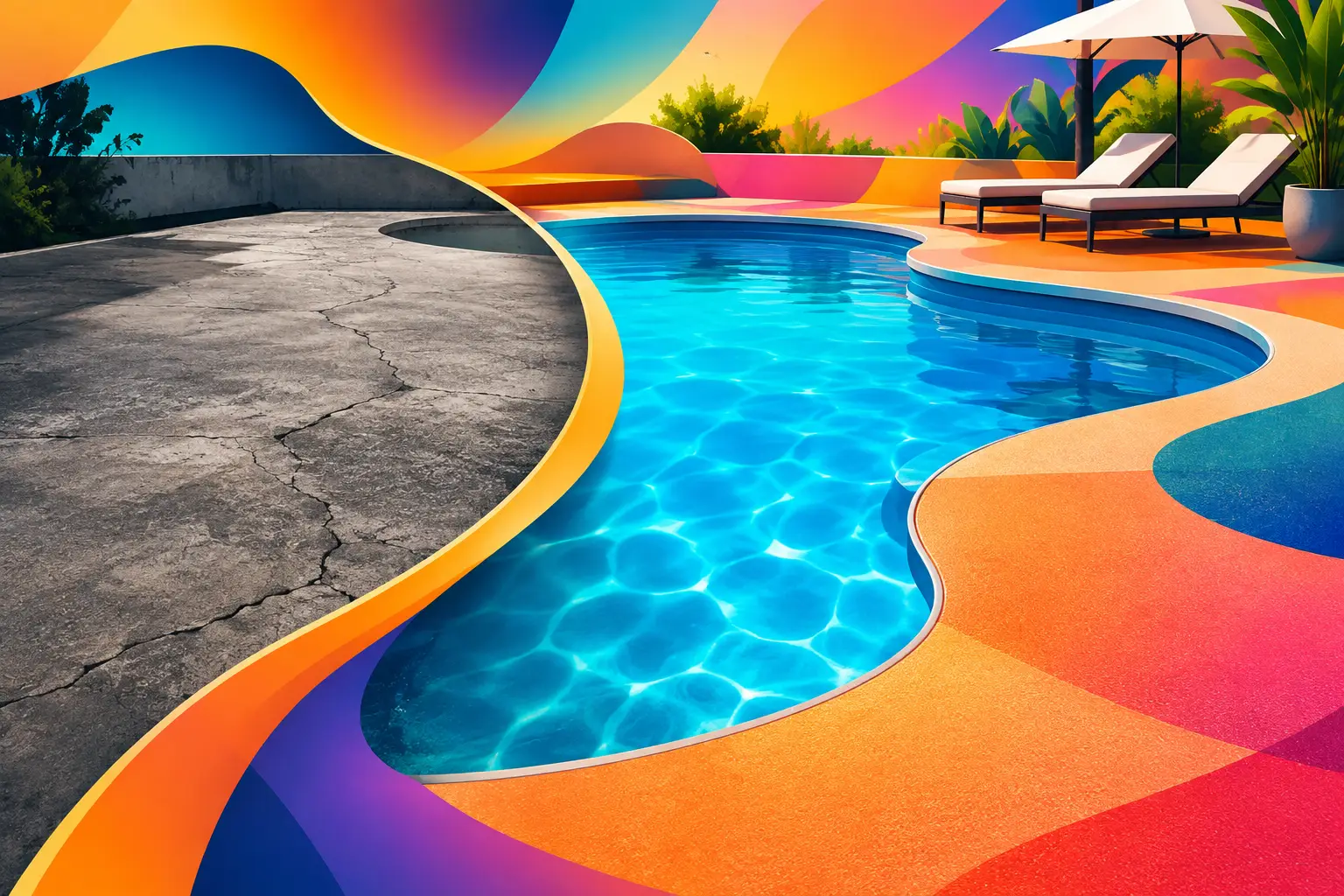
That distinction matters. Epoxy transforms the concrete itself into the finished floor. Tile creates a finished layer above it. If your goal is to make an ordinary garage feel integrated with the rest of a high-end home, the uninterrupted look of a professionally installed coating often has greater visual impact.
The Design Difference Is More Significant Than It Seems
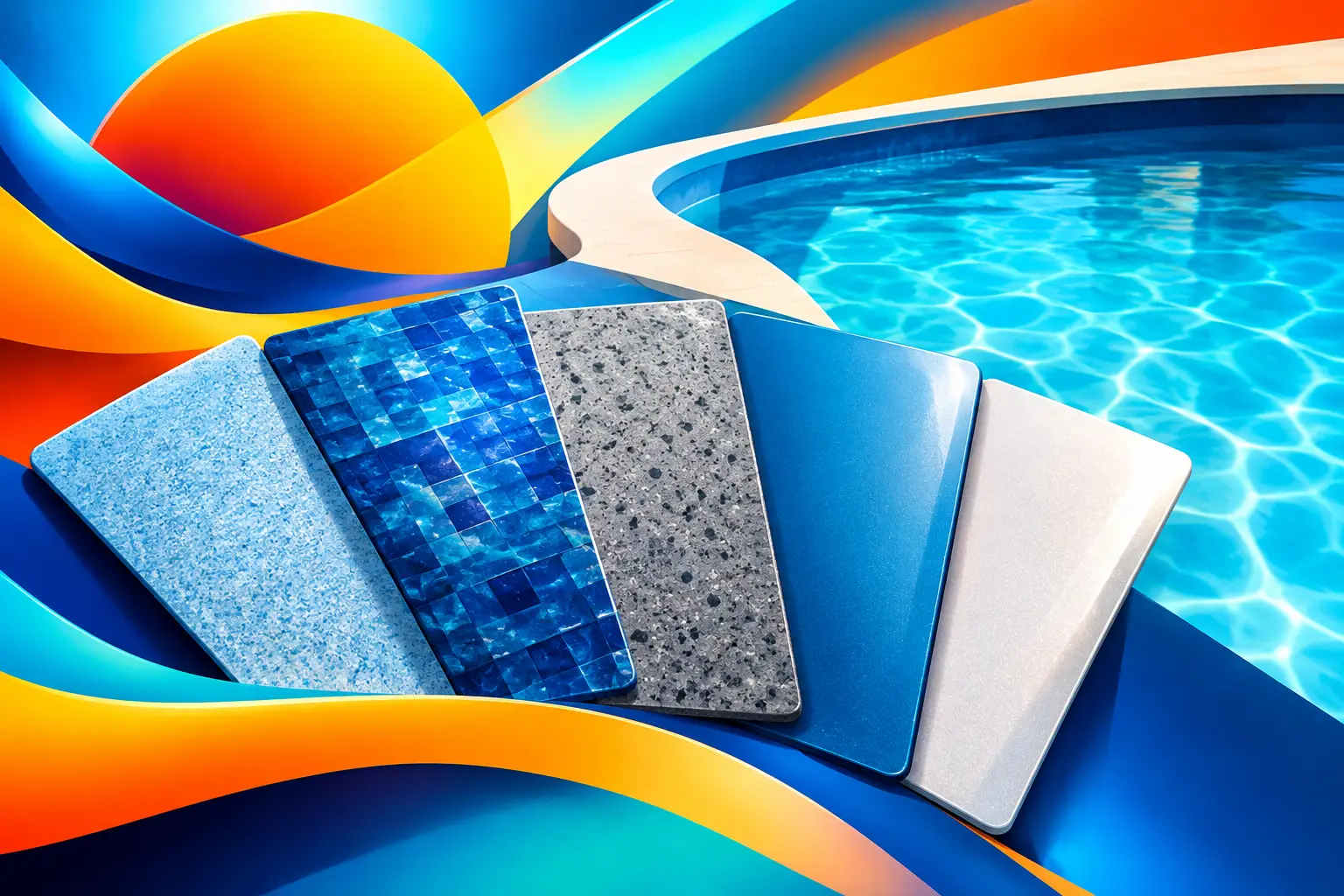
Interlocking tiles create a graphic, structured appearance. They work well for clients who prefer a motorsport-inspired checkerboard, bold color zones, or a clearly defined workshop aesthetic. Individual tiles can be replaced if one is damaged, and the grid itself becomes part of the design.
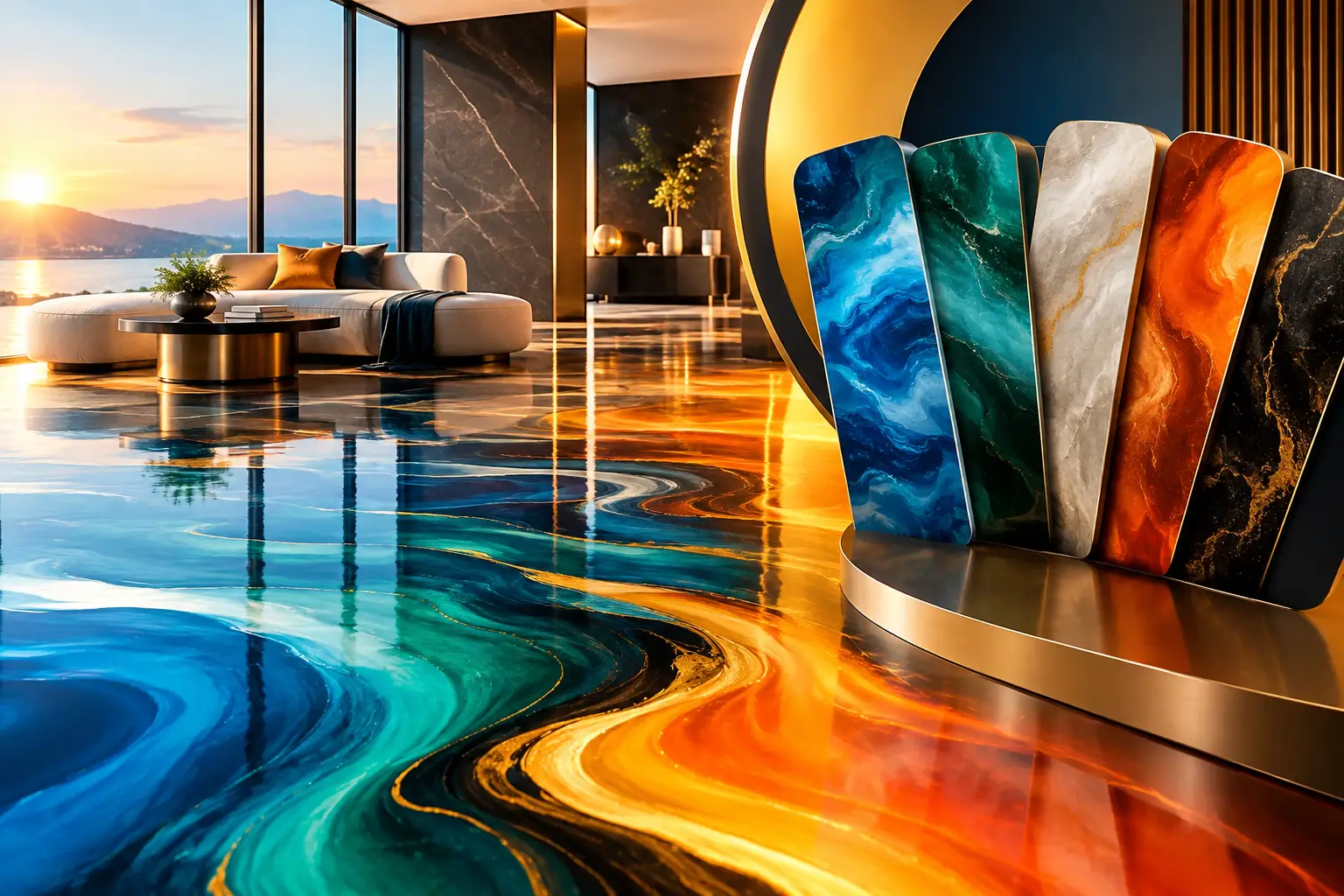
A premium epoxy floor offers a more tailored visual language. Decorative flake systems can range from subtle stone-inspired blends to crisp contemporary palettes. Metallic epoxy can create movement, depth, and a one-of-a-kind finish with a polished, gallery-like presence. Solid-color systems offer clean restraint for homes that favor minimal architecture.
There is no universal winner on style. Tile can be the right choice for a casual, modular garage design. Yet for homeowners seeking elegance rather than a utility-room feel, epoxy typically delivers the more elevated finish because it follows the room as one continuous surface. It can make a three-car garage feel intentional, expansive, and complete.
Durability Means Matching the Finish to the Use
A quality garage coating is engineered to resist the demands that ruin bare concrete: hot tires, oil drips, road grime, moisture, and routine abrasion. With correct preparation and a high-performance system, epoxy-based floors offer excellent adhesion and a dense, easy-to-clean finish. The preparation is the key. A beautiful coating applied to inadequately prepared concrete may fail regardless of how premium the product sounds.
Tiles perform differently. Heavy-duty polymer tiles are resilient and can handle vehicle traffic, while porcelain tile offers exceptional hardness and stain resistance. However, tile joints and edges introduce additional considerations. Grit can collect between tiles, expansion and contraction may affect fit, and certain tiles can shift or produce noise if the floor beneath them is uneven. A dropped metal tool can also chip rigid tile, even when the tile is rated for demanding use.
Florida and Alabama garages deserve particular attention because heat, humidity, and moisture vapor are real installation factors. A professional coating evaluation identifies whether the concrete has moisture concerns that must be addressed before epoxy is installed. With tiles, moisture may remain hidden beneath the surface and can contribute to odors or mildew concerns if drainage and airflow are poor.
Installation Is Where Long-Term Results Are Decided
Tile is often marketed as the fast, simple solution, especially for do-it-yourself installations. That can be true with basic interlocking systems on a clean, flat slab. It may be a practical temporary option for a rental property, a light-use workshop, or an owner who expects to change the garage layout frequently.
But speed is not the same as permanence. Tile systems need careful edge finishing, thresholds, layout planning, and attention to drainage. If a garage floor slopes toward the door, as many do, water can travel below the tiles. Raised tile profiles can also make rolling equipment, floor jacks, and cabinetry placement less convenient.
Epoxy installation is more exacting, but that precision is part of its value. The slab must be assessed, mechanically prepared, repaired where necessary, and coated within appropriate temperature and humidity conditions. Proper curing must also be respected before vehicles return to the space. This is not a finish to rush, particularly in a garage that sees daily traffic.
At Superior Concrete Solutions, the approach is centered on the details that determine whether a floor merely looks good at first or continues to perform beautifully. Material selection, preparation, color design, and finish level should all be planned around the property rather than pulled from a one-size-fits-all package.
Maintenance Favors a Continuous Coated Floor
Both options are easier to maintain than unsealed concrete, but their cleaning routines are not identical. Epoxy floors generally need sweeping and occasional mopping with a gentle cleaner. Their continuous finish leaves few places for dust, sand, pet hair, or automotive debris to settle. Spills can be addressed quickly before they have the chance to mark the surface.
Tiles add seams. Those seams are not necessarily difficult to clean, but they do require more attention, particularly in garages used during rainy weather or near coastal areas where sand and moisture are common. Dirt can migrate into the joints, and removing a tile to inspect or clean below may become part of long-term upkeep.
For a polished garage that functions as an extension of the home, that difference becomes visible. A smooth, consistent coating supports the calm, orderly look many luxury homeowners want from the moment the garage door opens.
Compare Cost by Lifespan and Visual Value
The initial cost of garage tile ranges widely. Basic interlocking products may be less expensive up front, while premium porcelain and professionally installed tile can become a substantial investment once substrate preparation, setting materials, labor, and perimeter details are included.
A professionally installed epoxy or flake coating also requires investment, particularly when slab repairs, moisture mitigation, or custom decorative effects are involved. It should be evaluated as a surface transformation rather than a paint upgrade. The right system adds protection, simplifies maintenance, and changes the perceived quality of the entire property.
Consider the value you want the garage to communicate. If it is primarily a flexible utility zone where replaceable sections are appealing, tile may serve the purpose well. If it is part of a carefully finished residence, a collector-car space, or a commercial environment where presentation matters, a bespoke epoxy system often provides the stronger return in aesthetics and cohesion.
Choose the Floor That Supports Your Vision
Choose tiles when you want modularity, a defined graphic pattern, or a relatively reversible flooring layer. They can be especially useful when access to the concrete below is a priority or when the garage has a casual, high-activity purpose.
Choose epoxy when you want a seamless luxury finish, tailored color and texture, easier daily cleaning, and a floor that feels permanently connected to the architecture of the space. Flake coatings are an exceptional fit for clients seeking durability with sophisticated visual texture. Metallic finishes bring a more artistic, statement-making result to garages that deserve to feel extraordinary.
Before selecting either option, have the concrete evaluated honestly. Cracks, moisture, slope, existing coatings, and the intended use of the room should shape the recommendation. The finest finish is not simply the one with the boldest sample board. It is the one designed and installed to complement how you live, work, and welcome people into your property.
A garage floor should not be an afterthought beneath a luxury home. Choose the finish that gives the space the same care, confidence, and enduring beauty as every room beyond the door.