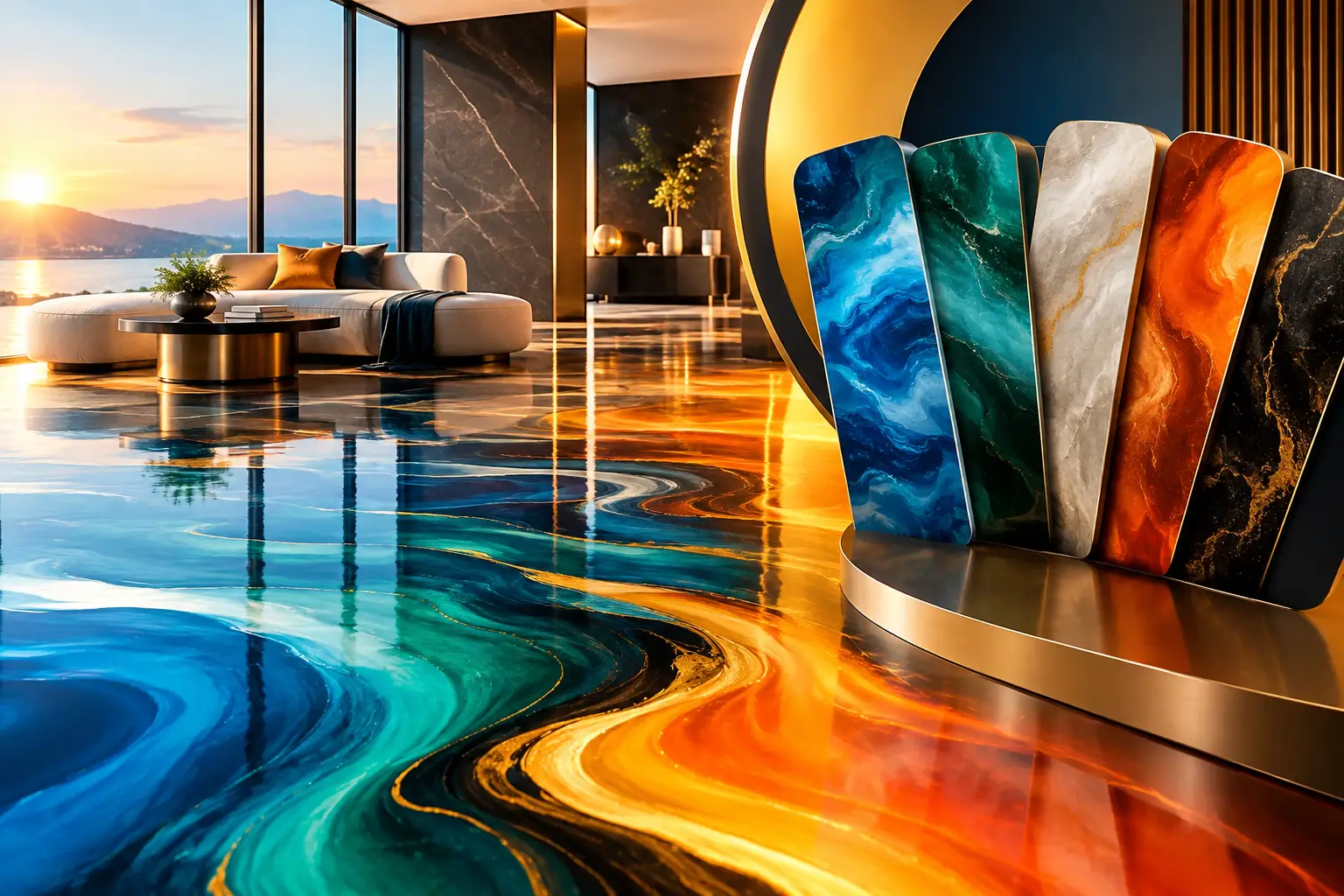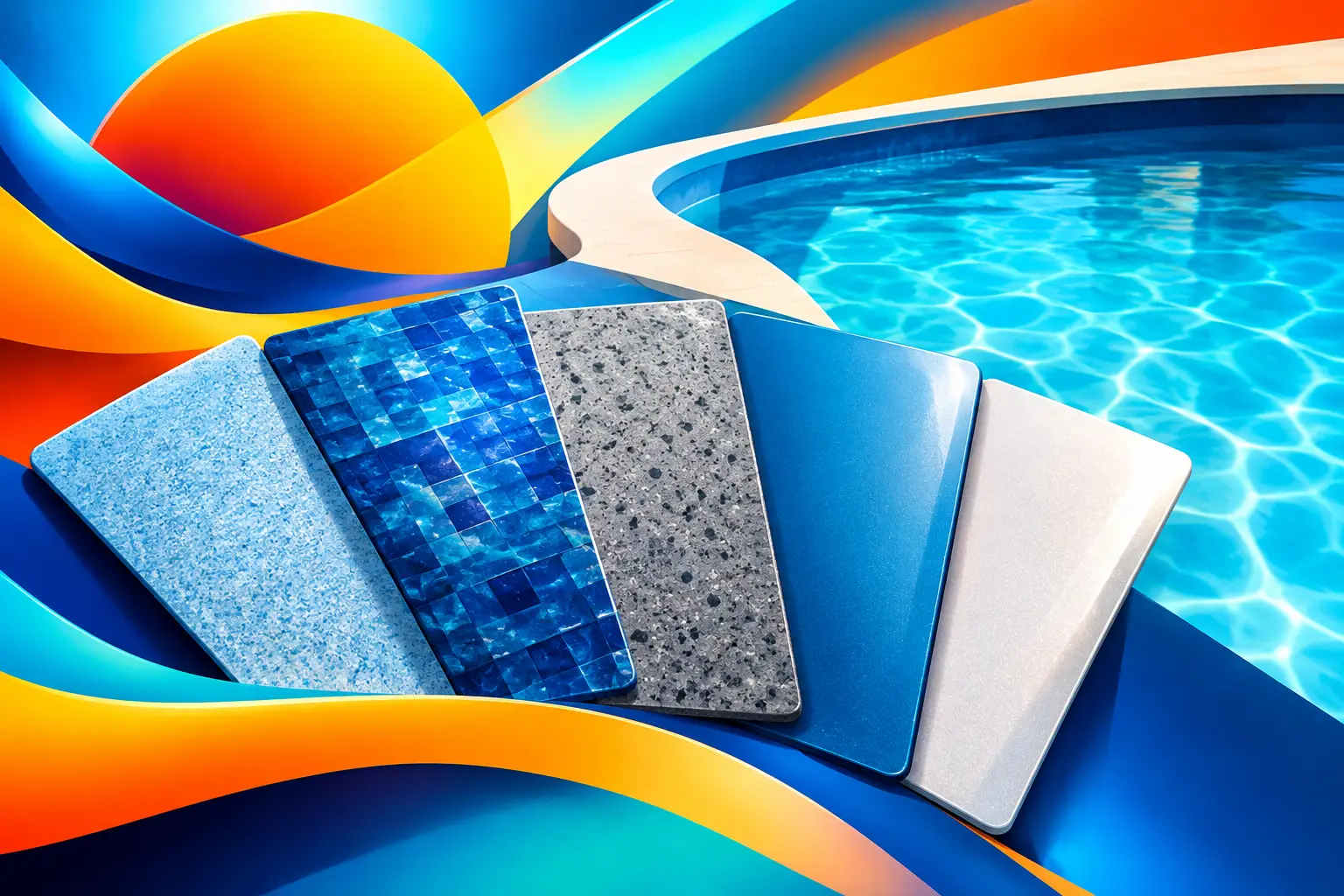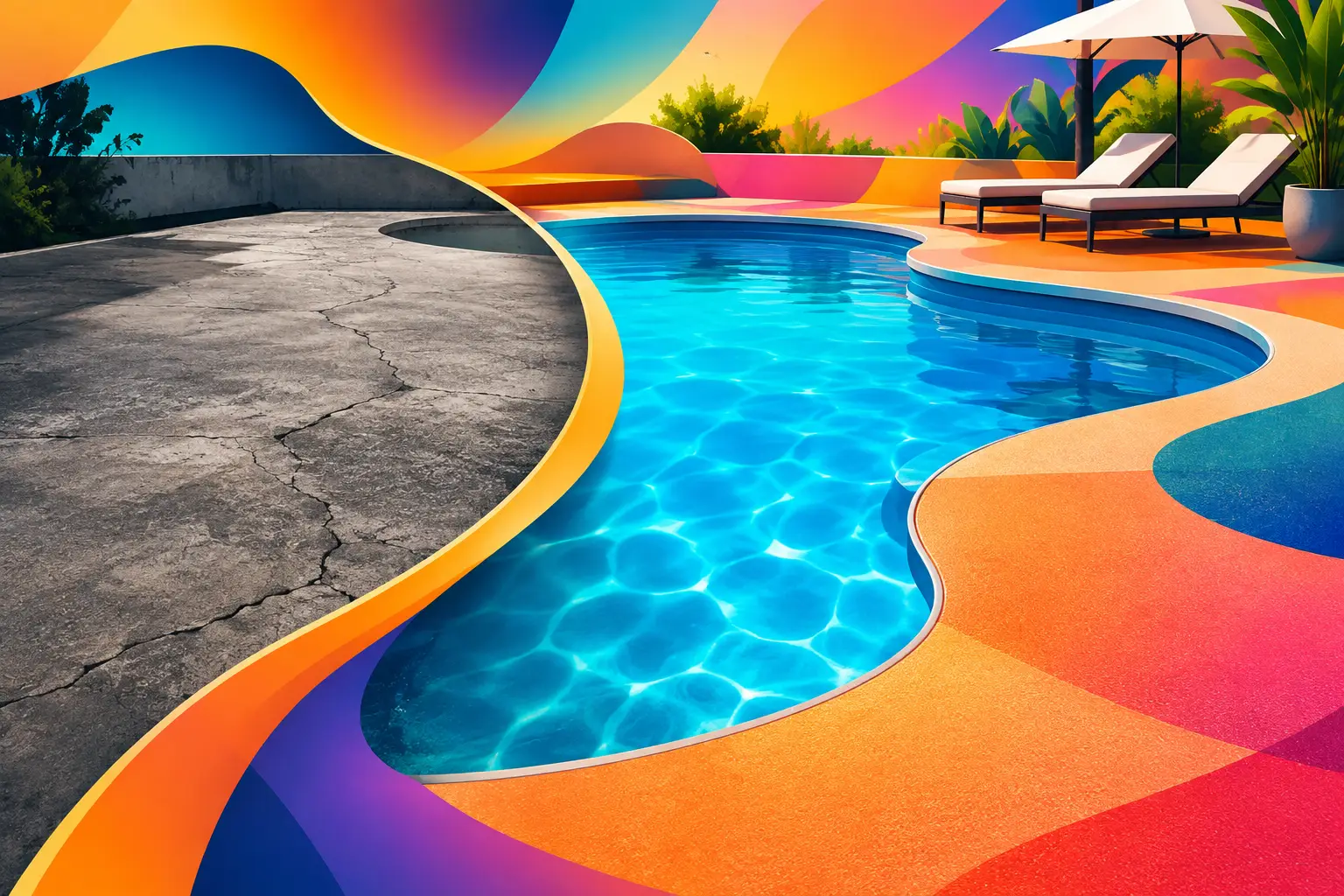
A decorative concrete surface can look extraordinary on installation day, but its long-term beauty depends on what happens next. Whether it is a richly colored patio overlay, a textured pool deck, stained concrete, or a custom interior floor, knowing how to seal decorative concrete protects the design details that make the surface feel distinctive in the first place.
Sealing is not simply a final coat applied for shine. It is a performance decision. The right sealer can enrich color, resist stains, simplify maintenance, and help a premium finish stand up to daily use. The wrong product, or an application rushed over poor preparation, can leave behind cloudiness, peeling, unwanted slipperiness, or a finish that looks plastic rather than refined.
Why Decorative Concrete Needs a Purposeful Sealer
Decorative concrete is more nuanced than a standard gray slab. Its color variation, hand-troweled movement, embossed texture, exposed aggregate, metallic effects, or overlay pattern are part of the finished design. A sealer preserves that visual work while creating a protective barrier against water, oils, food spills, UV exposure, and routine wear.
For outdoor surfaces in Alabama and Florida, protection from moisture and intense sunlight is especially relevant. Pool decks and patios face rain, humidity, standing water, sunscreen, leaf tannins, and direct UV exposure. Interior floors may face pet accidents, beverage spills, furniture movement, and abrasion from foot traffic. A garage coating has an entirely different set of demands, including hot-tire pickup, automotive fluids, and impact.
That is why there is no single best sealer for every decorative concrete project. The location, surface system, desired sheen, texture, moisture conditions, and expected traffic all matter.
How to Seal Decorative Concrete Without Compromising the Design
The strongest results come from treating sealing as a sequence rather than a one-step task: allow the surface to cure, prepare it precisely, choose a compatible sealer, apply it in controlled coats, and allow proper cure time before use.
Start with a fully cured, clean surface
Concrete and cementitious overlays must cure before they are sealed. The exact window depends on the specific material, the weather, and the manufacturer’s requirements. Fresh concrete commonly needs about 28 days to cure, though certain decorative overlay systems and approved sealers may follow a different schedule. Sealing too early can trap moisture and lead to whitening, blistering, or adhesion failure.
Once the surface is ready, remove every contaminant that could interfere with bonding. That includes dust, construction residue, oils, waxes, tape adhesive, old failing sealer, and cleaning products that leave a film. A patio may need a thorough wash and dry time. A garage floor may require degreasing and mechanical profiling. An interior decorative floor may need careful neutral cleaning rather than aggressive methods that dull the finish.
The surface must also be dry when the sealer calls for dry application. Moisture trapped beneath a film-forming sealer is a common reason finishes turn cloudy or begin to peel. If there is a history of moisture coming up through the slab, investigate it before applying a coating or sealer. A beautiful finish cannot overcome an unresolved vapor issue.
Match the sealer to the surface and setting
Decorative concrete sealers generally fall into two categories: penetrating sealers and topical, film-forming sealers. Penetrating products absorb into the concrete and help repel water while retaining a more natural appearance. They are often a smart choice when subtle protection and breathability matter most.
Topical sealers form a protective layer at the surface. They can create anything from a soft matte look to a high-gloss, color-enhanced finish. Acrylic sealers are widely used for stamped concrete, stained concrete, and decorative outdoor surfaces because they can enhance color and are relatively easy to refresh. Higher-performance urethane and polyaspartic systems are more common in demanding interior, commercial, and garage applications, where chemical resistance and abrasion resistance are central priorities.
A few practical considerations should guide the choice:
- For a textured pool deck or exterior walkway, prioritize UV stability and slip resistance over maximum gloss.
- For a stamped patio or colored overlay, a color-enhancing topical sealer can add depth, but the sheen should complement the home rather than overpower the texture.
- For an interior decorative floor, select a system that fits the desired elegance, from satin sophistication to a more reflective finish.
- For a garage or commercial floor, choose a coating system engineered for vehicle traffic, chemicals, and impact rather than relying on a basic decorative sealer.
Always confirm that the selected sealer is compatible with the color hardener, acid stain, dye, overlay, microtopping, epoxy, or existing coating beneath it. Compatibility is not a minor detail. Applying a solvent-based product over an incompatible water-based finish, for example, can create costly problems.
Test for appearance before committing
A small test area is one of the most valuable steps in a decorative project. Sealers can deepen color, increase sheen, darken porous areas differently, or make subtle trowel variation more pronounced. What looks elegant on a sample board may feel too glossy across an entire sunlit patio.
Test applications also reveal whether the surface is accepting the material evenly. If the sealer beads, fisheyes, or absorbs inconsistently, stop and address the preparation issue. Do not assume another coat will correct it.
Apply thin, even coats
Most sealer failures come from applying too much product, not too little. Heavy coats can trap solvents or moisture, dry unevenly, turn milky, create roller marks, or become soft under heat and traffic. Thin coats build a more controlled, attractive result.
Use the application method recommended for the product and surface: a quality roller, microfiber applicator, sprayer, or a combination of tools. Maintain a wet edge and avoid stopping midway through a highly visible area. On textured concrete, back-rolling may be needed to prevent puddling in low spots.
Two thin coats are often preferable to one heavy coat, but only when the product manufacturer recommends a second coat. Respect the recoat window. Applying the next layer too soon can trap solvent; waiting too long can reduce intercoat adhesion.
Outdoor conditions matter as much as technique. Avoid sealing when rain is expected, when the slab is excessively hot from direct sun, or when high humidity will interfere with curing. Early morning and late afternoon can be better application windows, but only if dew is not present and the concrete has fully dried.
Build in slip resistance where it belongs
A glossy sealer can make decorative concrete visually dramatic, especially after rain or near a pool. It can also reduce traction if it is not formulated or modified for the location. For pool decks, entryways, ramps, outdoor steps, and other wet areas, a compatible non-slip additive is often a wise investment.
The goal is not to make the surface abrasive. A professional installer calibrates the texture so the floor or deck remains comfortable underfoot while offering meaningful traction. This is one area where the luxury look and real-world function need to work together.
Give the Sealer Time to Cure
Dry to the touch is not the same as cured. A sealed decorative surface may feel dry within hours, but it can remain vulnerable to scratches, water exposure, tire traffic, or heavy furniture for longer. Follow the specific product’s cure schedule before returning the area to normal use.
Keep patio furniture, planters, rugs, and vehicles off the surface until the sealer has reached its recommended cure. On a garage floor, do not rush vehicle traffic simply because the coating looks finished. Patience during this final stage protects the investment far better than a premature return to service.
Maintain the Finish, Not Just the Concrete
Sealing reduces maintenance, but it does not eliminate it. Sweep outdoor spaces regularly so grit does not grind into the surface. Clean spills promptly, particularly oils, wine, fertilizer, and acidic materials. For interior floors, use a pH-neutral cleaner and avoid harsh degreasers, bleach-heavy solutions, or abrasive pads unless the sealer manufacturer specifically approves them.
Resealing intervals depend on exposure and traffic. A sheltered interior floor may hold its finish for years, while a sun-soaked patio, busy restaurant entry, or pool deck may need more frequent attention. Watch for fading sheen, water that no longer beads, increased staining, or worn traffic paths. These are signs that the protective layer may need professional evaluation.
When Professional Installation Makes Sense
A straightforward reseal on a well-maintained patio can be manageable for a careful property owner. Complex decorative concrete is different. Surfaces with moisture concerns, failed coatings, acid stains, metallic epoxies, textured overlays, significant cracking, or high-gloss design expectations benefit from professional assessment and controlled installation.
The value is not just in applying a product. It is in identifying the existing system, preparing it without damaging the design, selecting the right sheen and traction level, and delivering a finish that looks intentional from every angle.
Decorative concrete should age with grace, not gradually lose the depth and elegance that made it special. Give the sealing process the same level of care as the original design, and the surface can continue making a polished statement for years.